I want you to feel clearer about what this treatment usually involves, what may affect your case, and how to protect the long-term health of your gums, bone, and smile.
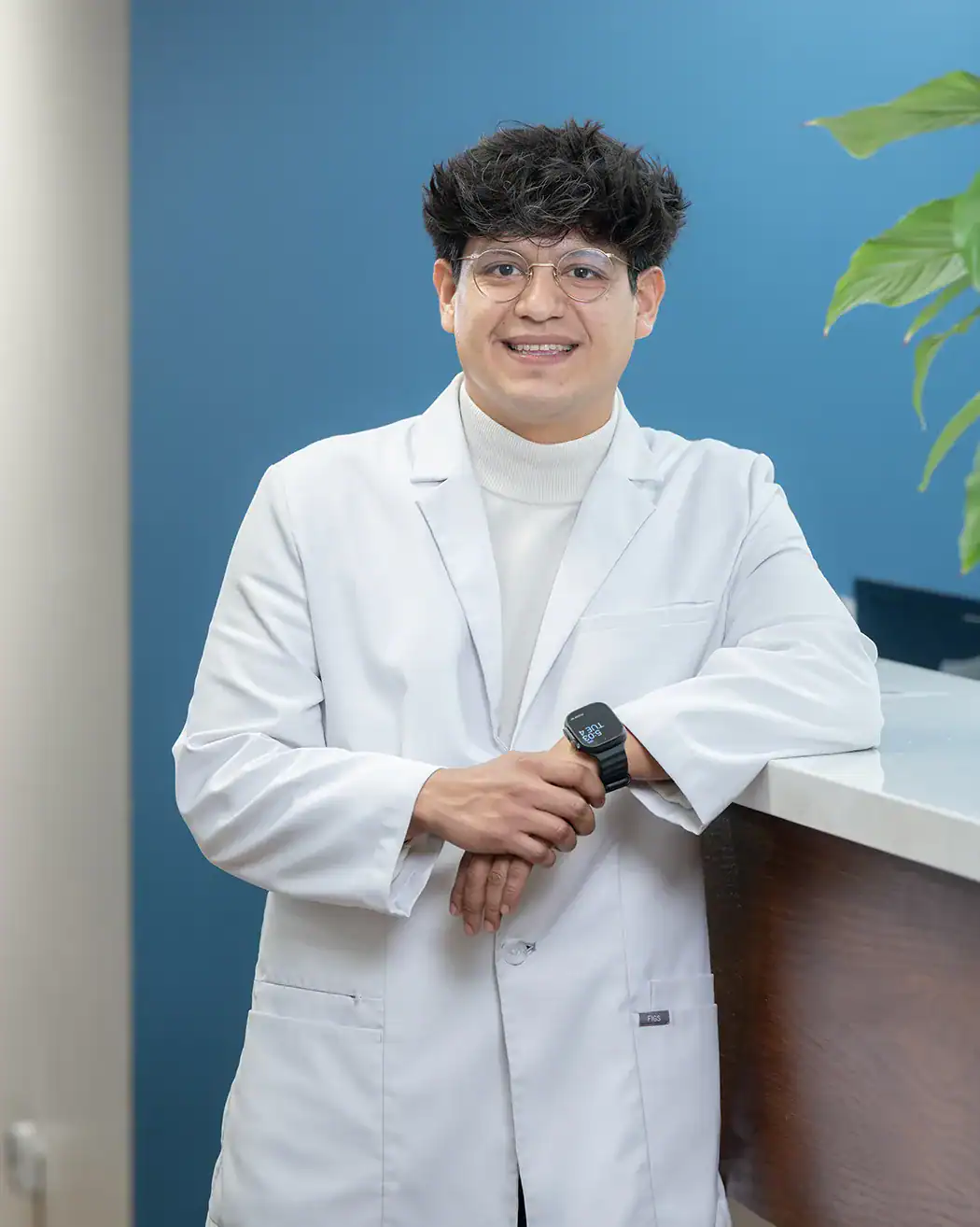
Dr. Angel Rodriguez, DDS, CAGS, MSDDr. Angel Rodriguez wrote this guide to help you understand how this topic may apply to you, what usually affects the treatment decision, and what the next step could look like if you want specialist guidance.
What you do after a bone graft matters as much as the surgery itself. The graft needs time to integrate undisturbed, and the aftercare instructions are designed to protect the site while the body does its work.
The first few days after surgery
The early days are about protecting the site and managing the normal post-surgical response. Some swelling, mild discomfort, and minor bleeding are expected. These tend to peak within the first couple of days and settle steadily after that.
Keeping the area clean without disturbing the surgical site is the most important thing during this phase. The practice provides specific instructions about rinsing, eating, and what to avoid.
Protecting the graft during healing
The graft material needs to stay undisturbed while the body incorporates it into the surrounding bone. That means avoiding hard foods on the surgical side, not probing the site with your tongue or fingers, and following any dietary or activity restrictions the specialist provides.
Smoking is one of the biggest risks to graft healing. Nicotine restricts blood supply to the area, which slows integration and increases the chance of complications.
- Avoid chewing on the surgical side during the early healing phase
- Follow the prescribed rinse and hygiene routine
- Avoid smoking — it significantly impairs graft healing
- Attend scheduled follow-up appointments so healing can be monitored
Get clear aftercare guidance tailored to your graft.
A specialist consultation includes a detailed aftercare plan so you know exactly how to protect the graft and what to expect during the healing period.
Longer-term aftercare and follow-up
After the initial healing phase, the graft continues to mature beneath the surface. Follow-up imaging at the appropriate interval confirms whether the site has developed enough volume and density for the next step.
Dr. Rodriguez monitors the graft throughout the maturation period and determines when the site is ready for implant placement or whatever the next stage of treatment involves. That timeline is based on what the imaging shows, not a fixed calendar.
Related guides
If you are still comparing options, these guides cover the next questions patients usually ask before requesting more info.
Return to the landing page if you want to request more info or get more specific guidance for your situation.