I want you to feel clearer about what this treatment usually involves, what may affect your case, and how to protect the long-term health of your gums, bone, and smile.
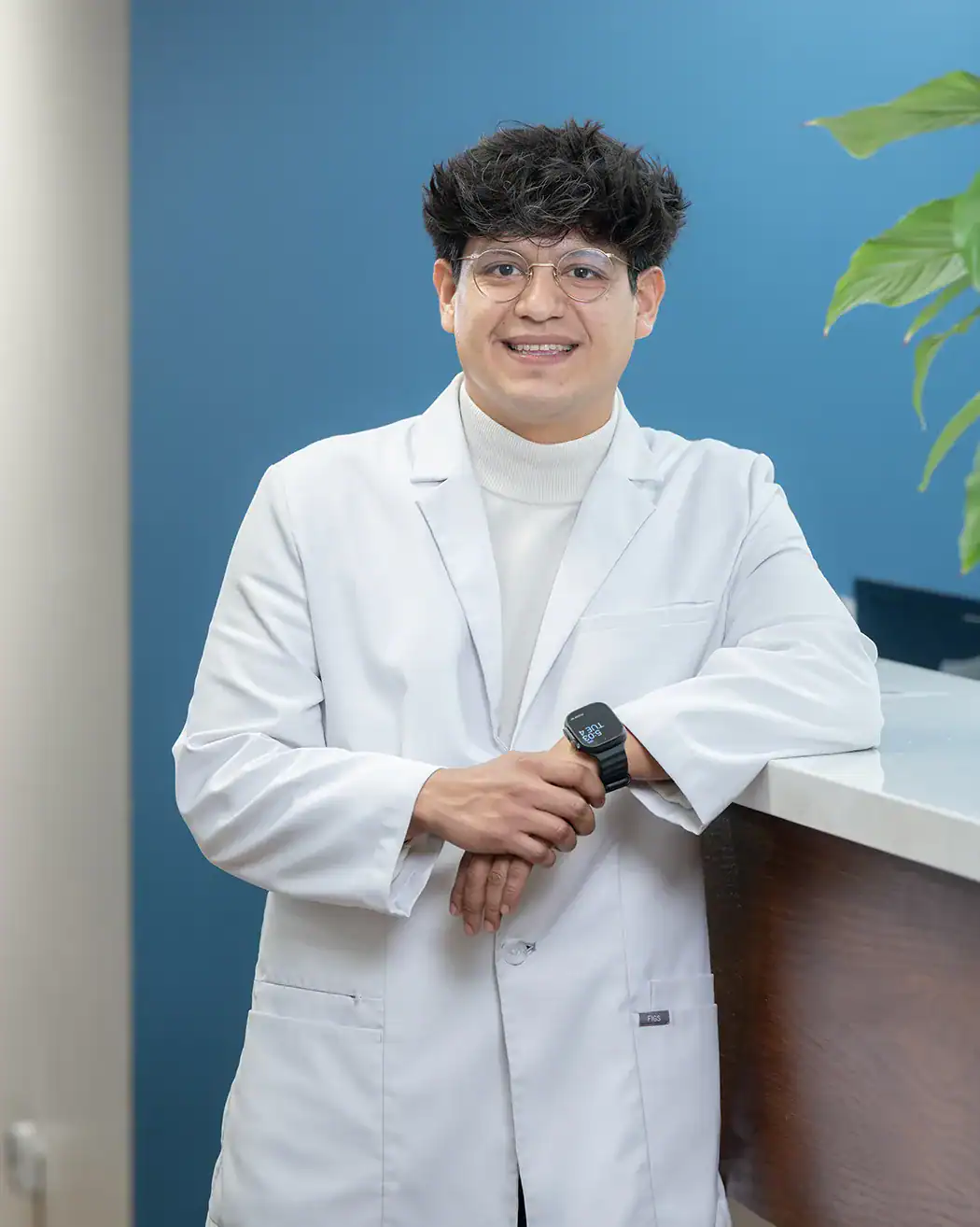
Dr. Angel Rodriguez, DDS, CAGS, MSDDr. Angel Rodriguez wrote this guide to help you understand how this topic may apply to you, what usually affects the treatment decision, and what the next step could look like if you want specialist guidance.
Bone grafting is a well-established surgical procedure with a long clinical track record. Like any surgery it carries some risk, but when planned and performed by a specialist with the right imaging and technique, complications are uncommon.
What the clinical evidence shows
Bone grafting has been performed in periodontics and oral surgery for decades. The materials used are well documented, the healing biology is well understood, and the procedure is part of the standard training pathway for specialist periodontists.
The success rate depends on case selection, the condition of the surrounding tissue, and the surgical technique. When those factors are managed properly, the vast majority of grafts heal and integrate as planned.
What risks exist
The most common complications are infection at the graft site, membrane exposure, or partial graft loss during the healing period. These are manageable when caught early and are more likely to occur when post-operative instructions are not followed or when active infection was present at the time of surgery.
Certain systemic conditions and medications can affect healing, but they are evaluated as part of the planning process rather than discovered afterwards.
- Infection at the graft site
- Membrane exposure during healing
- Partial graft loss if healing is disrupted
- Slower integration in patients with compromised systemic health
Understand the risks and safeguards for your specific case.
A specialist consultation reviews your health, your imaging, and the surgical plan so you understand what the risks are and how they are being managed.
How risk is managed at a specialist level
Risk management starts before the surgery. A CT scan, medical history review, and periodontal assessment allow the specialist to identify anything that could complicate healing and address it before the graft is placed.
Dr. Rodriguez plans each graft around the patient's specific anatomy and health profile. That kind of individualised planning is what reduces the risk of complications and improves the predictability of the outcome.
Related guides
If you are still comparing options, these guides cover the next questions patients usually ask before requesting more info.
Return to the landing page if you want to request more info or get more specific guidance for your situation.