I want you to feel clearer about what this treatment usually involves, what may affect your case, and how to protect the long-term health of your gums, bone, and smile.
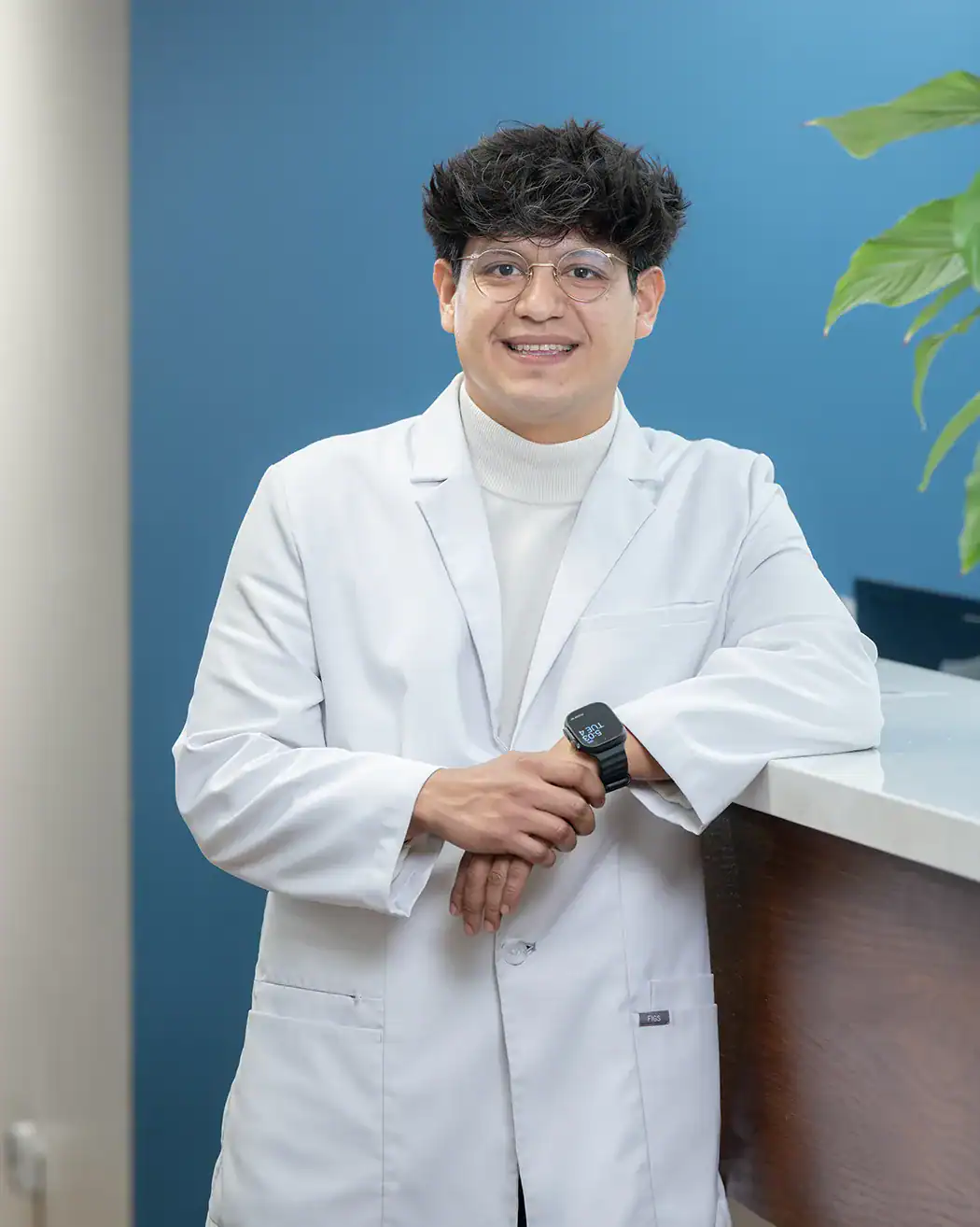
Dr. Angel Rodriguez, DDS, CAGS, MSDDr. Angel Rodriguez wrote this guide to help you understand how this topic may apply to you, what usually affects the treatment decision, and what the next step could look like if you want specialist guidance.
A well-placed bone graft is not a temporary fix. The goal is for the graft material to integrate with your natural bone and become part of the jaw, supporting an implant or maintaining the ridge shape for the long term.
How grafts are designed to last
Once a graft has fully healed and integrated, it becomes living bone. The graft material serves as a scaffold that the body gradually replaces with its own bone tissue. That is why the healing period matters so much. A graft that is given enough time to mature properly becomes a permanent part of the jaw.
The longevity of the result depends on how well the graft was planned around the final use of the site. A graft designed to support an implant in the right position, with the right volume, tends to hold up well over many years.
What affects long-term stability
The biggest threat to a grafted site over time is the same thing that caused the bone loss in the first place. Untreated periodontal disease, uncontrolled infection, and ongoing inflammatory conditions can compromise a graft the same way they compromise natural bone.
Systemic health, smoking, and whether the patient follows through with maintenance also play a role. A graft is only as durable as the environment it lives in.
- Periodontal health around the grafted site
- Whether the graft was given adequate healing time before loading
- Overall health, medications, and habits like smoking
- Ongoing specialist maintenance and monitoring
Understand how your graft fits into the bigger picture.
A specialist consultation explains how the graft is designed to support long-term function and what you can do to protect the result over time.
Why specialist planning matters for longevity
A graft that is underdone — too small, placed in the wrong position, or loaded too early — is more likely to break down over time. Specialist planning accounts for the long-term forces the site will need to withstand, not just the immediate surgical result.
Dr. Rodriguez plans each graft around where the implant will sit and how the surrounding tissue needs to function years from now. That forward-looking approach is part of what makes the result durable.
Related guides
If you are still comparing options, these guides cover the next questions patients usually ask before requesting more info.
Return to the landing page if you want to request more info or get more specific guidance for your situation.